
Normal aging vs dementia
Different dementia
When to see evaluation
What an evaluation is
Blood biomarkers and other testing to do (e.g., UTI, vitamins…
Who to see
Daily Living & Lifestyle
Consider the practical elements that shape quality of life: nutrition, movement, sleep, and social connection, as well as safety topics like driving and residential options. Find guidance on creating routines and environments that support health, engagement, and autonomy.
COMPREHENSIVE NEUROPSYCHOLOGICAL EVALUATION: A full assessment for individuals seeking clarity about cognitive functioning related to neurodevelopmental conditions, neurological disorders, or complex psychiatric concerns.
ELDER / DEMENTIA EVALUATION: A focused evaluation for older adults experiencing memory or behavioral changes. This assessment helps clarify whether changes reflect typical aging, mild cognitive impairment, or dementia and guides next steps.
NEUROPSYCHOLOGICAL / PSYCHOEDUCATIONAL EVALUATION: A combined cognitive and academic assessment for individuals with learning or attention concerns, especially when documentation is needed for school services or testing accommodations.
NEUROPSYCHOLOGICAL AND ELDER EVALUATIONS
Our process is collaborative and compassionate. You’ll share your experiences and questions, and I’ll bring a comprehensive lens to cognitive, emotional, and behavioral functioning—always grounded in your unique story.
Understanding Memory and Cognitive Change
Changes in memory, attention, or problem-solving can have many causes — from normal aging and stress to medical or neurological conditions. Neuropsychological evaluation helps make sense of these changes by taking a closer look at how the brain is functioning day to day.
Through detailed yet practical testing, we assess areas such as memory, attention, language, reasoning, and daily living skills. The goal is not just to measure performance, but to understand patterns — how strengths and weaknesses fit together, and what that means in everyday life.
This process helps clarify whether changes reflect normal aging, mild cognitive impairment, or dementia, and can also distinguish cognitive symptoms related to anxiety, depression, or medical issues. The results provide valuable information for diagnosis, treatment planning, and decisions about safety, independence, and support.
Ultimately, the evaluation offers more than data — it brings clarity, direction, and peace of mind for individuals and families who want to understand what’s happening and how to move forward.
Understanding the Brain at Any Age
What a neuropsychological evaluation is and what it measures (memory, attention, reasoning, decision-making).How testing differentiates “normal aging” from early cognitive change.
Why families pursue evaluation — to guide safety, independence, and medical decisions.
What’s measured and why
How it helps distinguish normal aging from cognitive change
How results guide care, safety, and independence
CTA: “Learn more about cognitive and dementia evaluations.” → links to Memory & Dementia page.
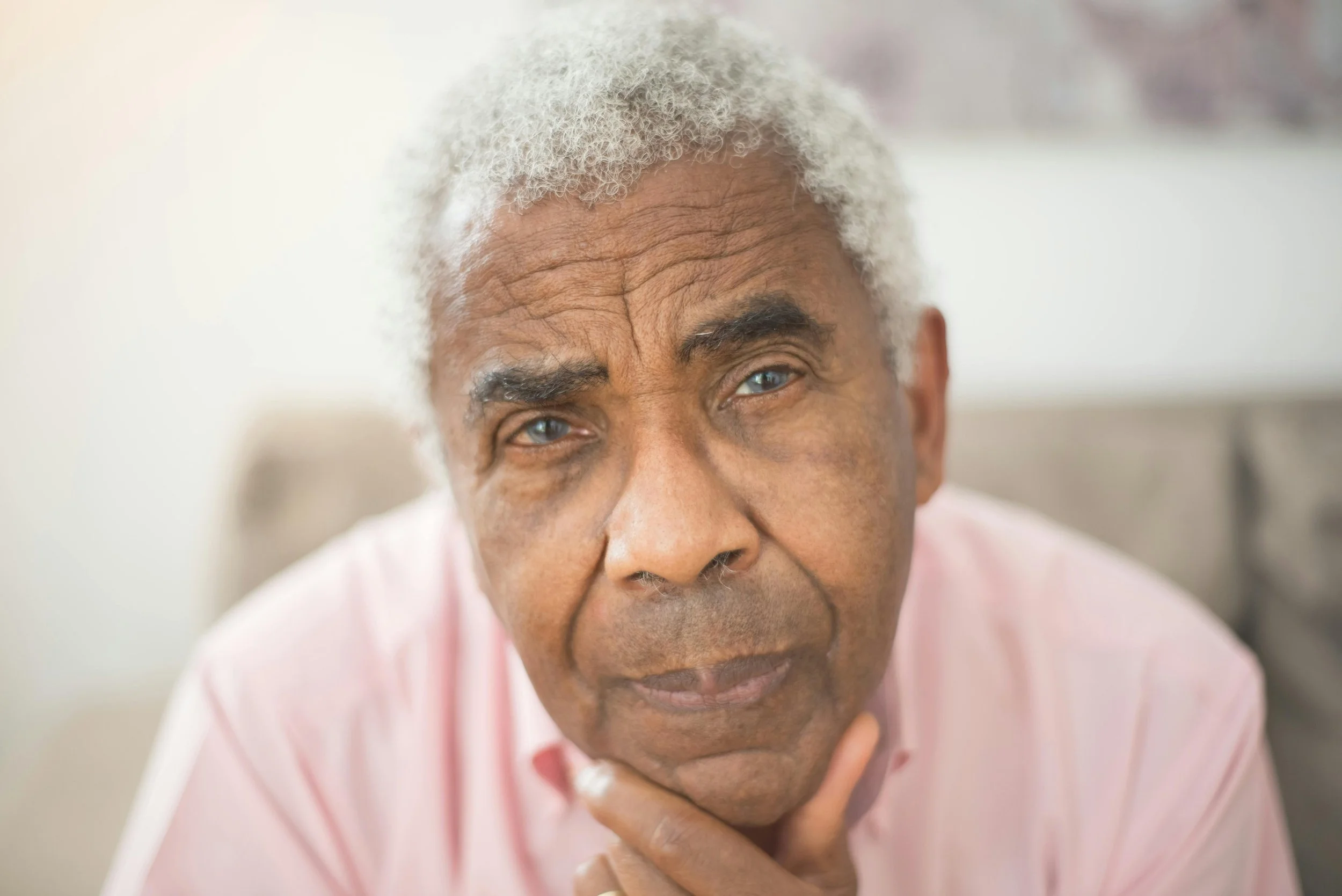
Why you might seek a neuropsychological evaluation
You are wondering whether forgetfulness or changes in focus are part of normal aging or worth a closer look
You have a medical or neurological condition and want to understand how it may be affecting your thinking
You’ve noticed changes in language, day to day tasks, orientation, or decision making in yourself or a loved one
You are caring for an aging parent or partner and want a clearer picture of strengths, vulnerabilities, and safety
You are a physician, neurologist, psychiatrist, or other specialist who is noticing subtle changes in a patient and seeking additional insight
An Elder Evaluation is just a shorter, more targeted neuropsych evaluation for individuals aged 65 and older. These evaluations can help distinguish between
Normal aging
Mild cognitive impairment
Dementia
‘Reversible causes of dementia,’ such as depression
Between different forms of dementia:
Alzheimer’s disease
Frontotemporal dementia (FTD)
Vascular dementia
Lewy body dementia
Or for better understanding cognitive changes associated with known neurological conditions such as:
Stroke
Parkinson’s disease
Acquired brain injury.
Supporting older adults is a special focus in my practice. My goal is to help individuals, families, and healthcare providers gain clarity and direction, and to provide thoughtful, personalized recommendations that support well-being, independence, and quality of life.
NATIONAL ORGANIZATIONS AND ASSOCIATIONS
NATIONAL ORGANIZATIONS
Alzheimer’s Association
The Alzheimer's Association leads the way to end Alzheimer's and all other dementia — by accelerating global research, driving risk reduction and early detection, and maximizing quality care and support.CDC Alzheimer’s Disease Program
CDC's Alzheimer's Disease Program develops scientific information to inform public health agencies and others, and to promote brain health across the nationCDC Healthy Aging
CDC offers information and programs to promote healthy aging and longer lives